
When you’ve built significant wealth, protecting it becomes just as important as creating it. Offshore trusts are one of the most powerful legal tools available for asset protection, offering advantages that domestic structures often can’t match.
This isn’t about hiding money or avoiding taxes. Offshore trusts are fully legal structures used by entrepreneurs, investors, and high-net-worth individuals to protect assets from lawsuits, creditors, and financial risks.
In this guide, you’ll learn how offshore trusts work, why jurisdictions like Nevis and the Cook Islands are so effective, and how to set one up properly.
Understanding Offshore Trusts
An offshore trust is a legal structure where you transfer ownership of your assets to a trustee in a foreign jurisdiction with strong asset protection laws.
Once transferred, those assets are no longer legally yours on paper. However, you can still receive the economic benefits through the trust structure.
The key difference from domestic trusts is jurisdiction. A US-based trust operates under US law, while an offshore trust operates under foreign laws specifically designed to resist external legal claims.
The Three Key Roles
Every offshore trust is built around three core roles:
- Settlor – You, the person creating the trust and transferring assets
- Trustee – An independent party managing the assets
- Beneficiaries – The individuals who receive distributions
The separation between these roles is what creates the protection.
The trustee legally controls the assets, but must follow the rules defined in the trust deed. At the same time, beneficiaries (which can include you) receive the economic benefits.
How Ownership Transfer Works
When assets are placed into the trust, legal ownership shifts to the trustee.
This creates a powerful separation:
- You benefit economically
- But you no longer legally own the assets
Because of this, creditors can’t easily claim those assets, since they’re no longer in your name.
Why Offshore Trusts Are So Powerful
The main benefit of offshore trusts is protection against lawsuits and creditors.
Jurisdictions like Nevis and the Cook Islands have laws specifically designed to make claims extremely difficult.
For example:
- In Nevis, creditors must post a $100,000 bond just to file a case
- In the Cook Islands, creditors face strict legal standards and time limits
These barriers eliminate most weak or speculative claims immediately.
Privacy and Estate Planning
Offshore trusts also provide a high level of privacy.
There are:
- No public registries
- No disclosure of assets or ownership
This is very different from many domestic systems, where information can become public.
They also simplify estate planning. Assets pass directly to beneficiaries without going through probate, avoiding delays and legal costs.
Best Offshore Trust Jurisdictions
Nevis
Nevis is one of the strongest jurisdictions for asset protection.
Key advantages:
- No automatic recognition of foreign court judgments
- Mandatory creditor bond requirements
- No public trust registry
- Fast setup (often within a week)
The legal system is specifically designed to favor trust protection.
Cook Islands
The Cook Islands offers similar protections, with an additional layer.
One unique feature is the “firewall provision.”
If a foreign court orders assets to be returned, the trustee is legally prohibited from complying.
This creates an extra barrier that is extremely difficult to overcome.
How the Protection Actually Works
If someone wins a lawsuit against you in your home country, that judgment does not automatically apply in offshore jurisdictions.
Instead, the creditor must:
- Start a new case in the foreign jurisdiction
- Follow local laws
- Meet much higher standards
This makes enforcement slow, expensive, and uncertain.
Higher Burden of Proof
In many offshore jurisdictions, creditors must prove their case beyond a reasonable doubt, rather than the usual civil standard.
They must also prove that the trust was created specifically to defraud them.
If the trust was set up before any legal issue arose, this becomes extremely difficult.
Financial Barriers
Requirements like the Nevis $100,000 bond act as a filter.
Most creditors simply won’t proceed due to:
- High upfront costs
- Legal uncertainty
- Low probability of success
How to Set Up an Offshore Trust
Step 1: Work With Specialists
This is not something you do yourself. You need professionals who specialize in:
- Offshore trust law
- Asset protection
- International tax compliance
A general lawyer is not enough here.
Step 2: Create the Trust Deed
The trust deed is the core legal document.
It defines:
- Beneficiaries
- Trustee powers
- Distribution rules
- Protection mechanisms
This must be custom-built, not templated.
Step 3: Appoint an Independent Trustee
The trustee must be:
- Independent
- Located in the trust jurisdiction
- Professionally qualified
You cannot control the trustee directly. This independence is essential for the structure to work.
Tax & Compliance
An offshore trust does not eliminate your reporting obligations.
Depending on your country, you may need to:
- Report the trust
- Report transfers
- Report distributions
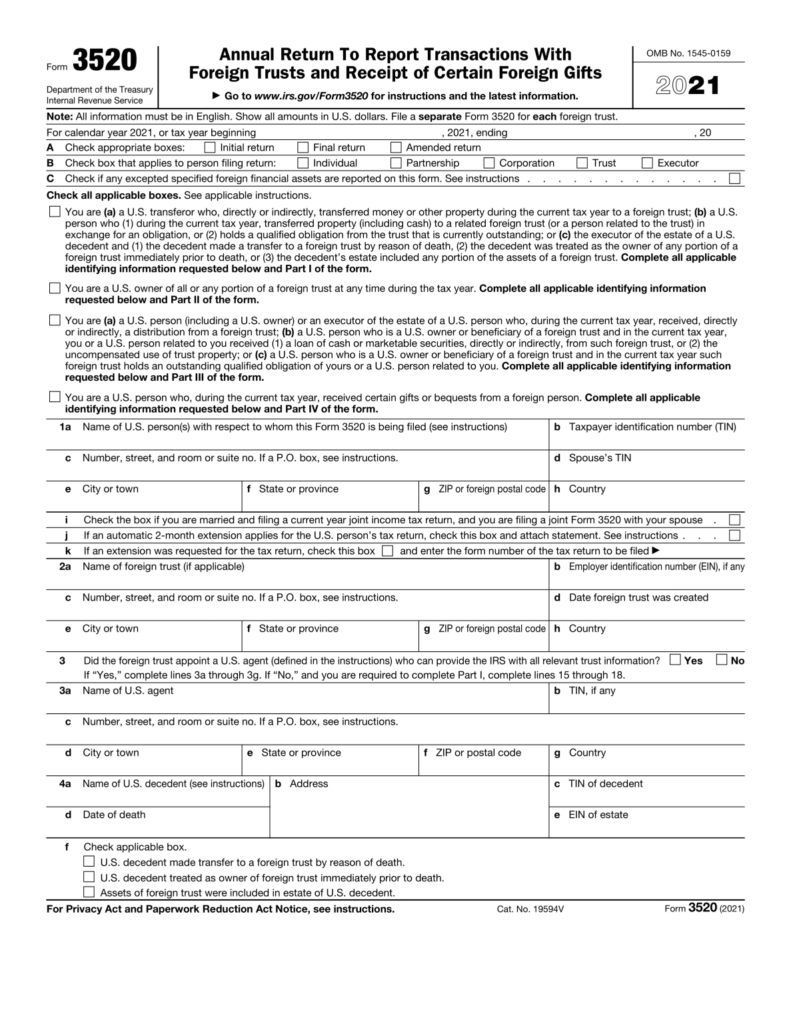
For US persons, this includes forms like:
- Form 3520 (reporting transfers)
- Form 3520-A (annual trust reporting)
Penalties can be extremely high, so compliance is critical.
Costs
Typical setup costs range from: $3,500 to $8,000+
And ongoing costs is around $2,000 to $5,000 per year
This includes trustee fees, compliance, and administration.